



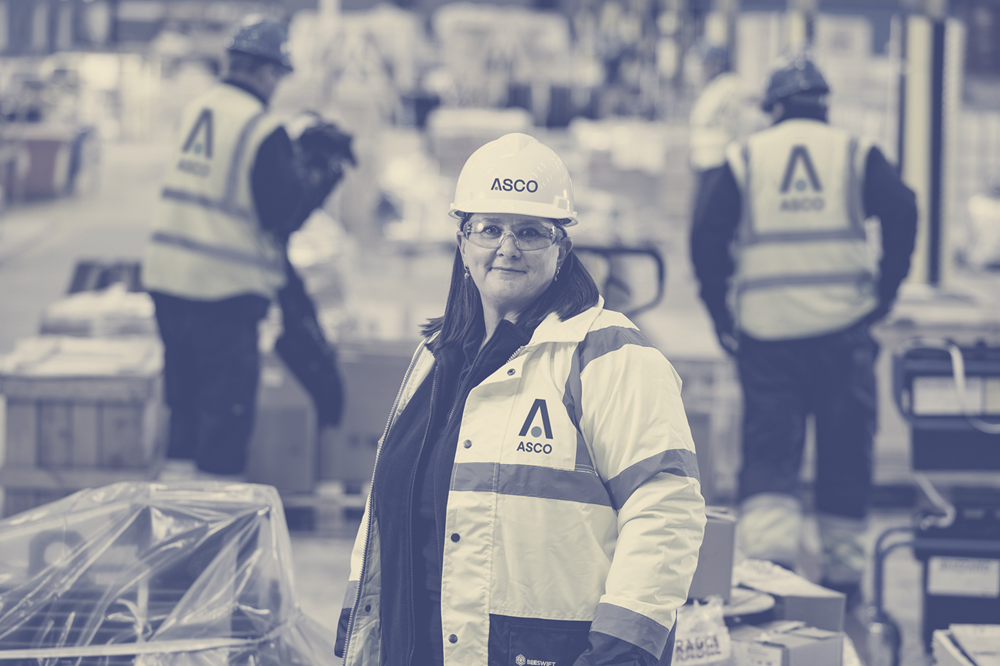
When we talk about safety at ASCO, we’re not talking about posters on walls or policies in folders. We’re talking about people. Choices. Habits. And the way we look out for one another, day in and day out.
That’s why I’m incredibly proud to share that our bp Warehouse has reached 10 years without a Lost Time Incident (LTI).
Ten years. No shortcuts. No luck. Just consistency, accountability, and a culture where safety is taken seriously even when no one is watching.
But milestones like this don’t happen in isolation. They’re the outcome of something deeper - disciplined warehouse management done properly.
In warehousing, performance and safety are non-negotiable. Every component, every movement, every square metre of space matters. When materials don’t flow as they should, the impact is immediate: delays, rework, cost, and risk. That’s why strong warehouse management isn’t just about storage, it’s about creating predictable, resilient operations that support the wider supply chain.
Over the last decade, our team at ASCO's bp warehouse have excelled in delivery, together, we’ve:
- Receipted 1,403,245 widgets
- Shipped 1,321,530 widgets
- Maintained an average inventory accuracy of 99.90%
- Counted £298,369,101 worth of inventory
- Raised 680 permits
- Managed 45,383 vehicles on site
- Delivered 3,495 airfreights
- Worked 467,513 person-hours
- Completed 13,696 forklift hours with over 500,000 lifts
- Rolled out 132 safety meetings and safety themes
- Completed 23 audits with zero non-conformances
- Hosted 8,850 visitors, supported by 19,522 hours of accompanied visits
- Successfully navigated the divestment of Magnus and Bruce, alongside multiple vendor closures
These numbers matter, but they’re not the headline.
What sits behind them is a warehouse operation built on structure, visibility, and control. Standardised layouts. Disciplined inventory governance. Clear traffic segregation. Proper lifting controls. Thoughtful sequencing of work. These aren’t “nice to haves”, they’re what reduce risk, protect people, and keep material moving without disruption.
Good warehouse management turns fragmented processes into integrated ones. It removes guesswork. It creates clarity. When you know where stock is, what condition it’s in, and how it’s going to move, you reduce surprises, and surprises are where safety incidents and operational failures often start.
That’s why safety culture and operational excellence are inseparable. You can’t have one without the other.
It’s also why our approach has been recognised with 4 out of 5 Safety Leadership Awards, alongside multiple other safety awards. Recognition isn’t the goal, but it reinforces that doing the basics well, every single day, makes a difference.
We’ve also seen that same discipline reflected in our people. Over the past 10 years, 22 colleagues have progressed from entry-level roles into Senior Warehouse, Assistant Manager, Inventory, PMC Cover, PMC, OMC, and Client roles.
For me, this milestone reinforces that safety is not just our priority, it’s a value that defines who we are.
Priorities can change. Targets shift. But values show up in the way warehouses are designed, the way work is planned, and the way people are protected.